How The World of Difference is built
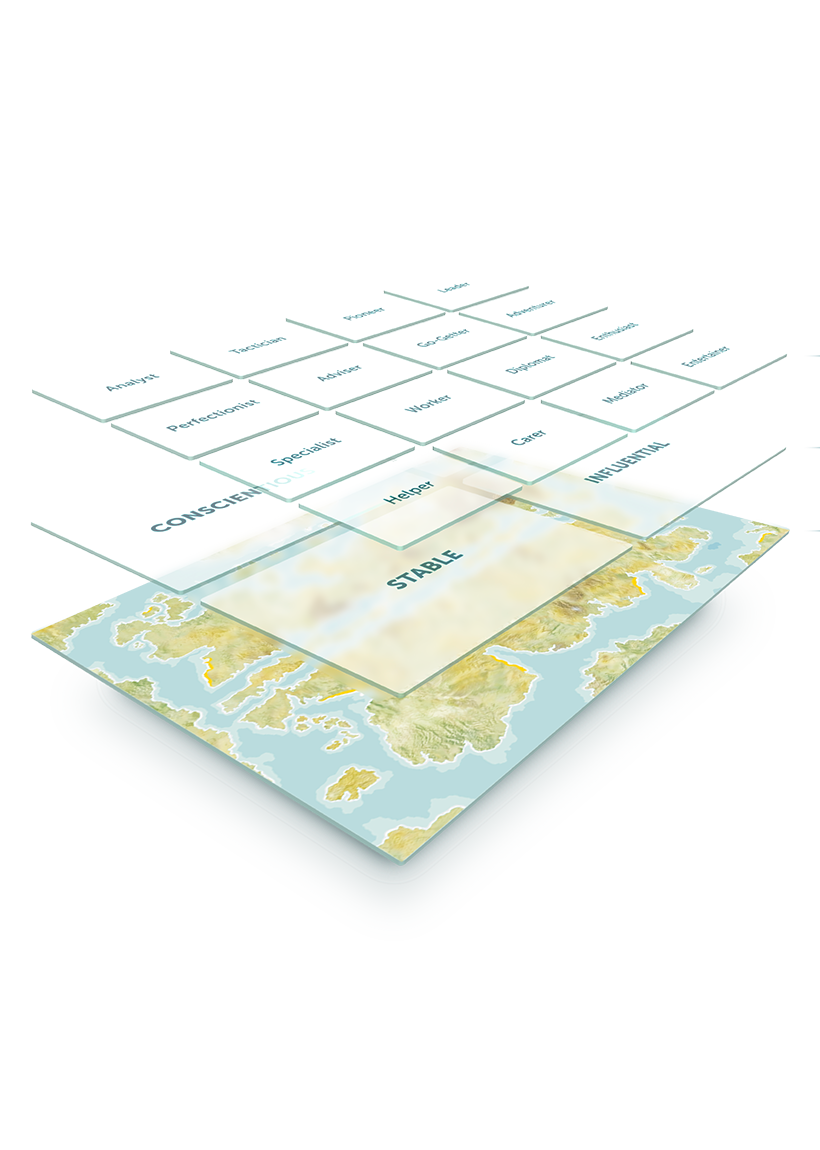
The World of Difference is made up of three layers: the four Areas, the sixteen Types and the map underneath. Each layer adds something different to the conversation.

What a participant receives
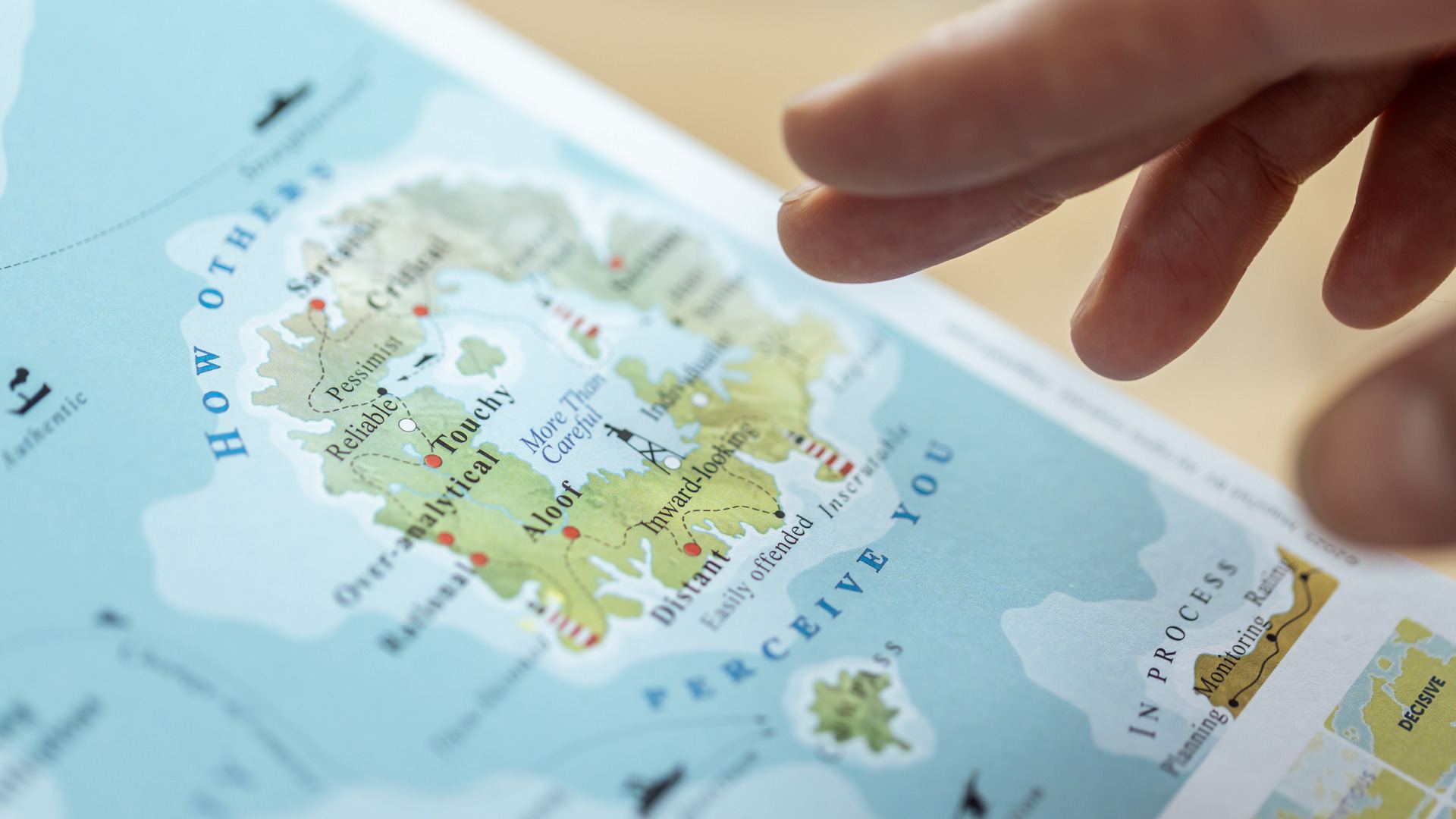
The World of Difference is a map with four Areas and sixteen Types. Participants complete a questionnaire with 24 sets of statements and receive their PersonalMap: not a thick report, but a map that opens up a world for them. The PersonalMap is the starting point, and the rest of The World of Difference lies at their feet.

How a PersonalMap is created
The questionnaire contains 24 sets of four statements. For each set, you choose the statement that fits you most and the one that fits you least. It takes about fifteen minutes to complete and reveals a pattern in your behavioural preferences.
Your answers are compared with those of an international reference group of more than 10,000 people. This determines your place on the map. The words from the questionnaire then appear in your PersonalMap, bringing your results to life in the World of Difference.
High Point University
Why we don't call it a report
A report is something you receive and read. A PersonalMap is the starting point for the conversation that follows. The difference lies in its purpose, not its design.
The measurement behind it is reliable. We test this using Cronbach’s alpha, a widely used statistical measure of how consistently the different parts of a questionnaire assess the same underlying behaviour. Our four behavioural scales score between 0.80 and 0.90, which is generally considered good to very good.
That solid foundation allows us to look beyond the profile. Because even a reliable measurement changes nothing if it is simply put away to gather dust.

Acknowledging, Recognising, Exploring
A certified Guide takes participants through three levels: acknowledging at ME-level, recognising at YOU-level and exploring at WE-level.
“MapsTell makes it easy to explore how behaviour changes depending on the context: at work, at home or in a specific situation.”
- Marja Talens, MapsTell Guide since 2016
ME-level · How do I do things?
How do I respond, how do I experience things? This is the level where the PersonalMap does its work: your own place in The World of Difference, your behavioural preferences and the challenges that may come with them.
YOU-level · What do I see in you?
What stands out to me, and how does that affect me? Where can we meet on the map so that we can communicate more comfortably and effectively? This is where the other person comes into view, and where it becomes clear why some interactions flow naturally while others create friction.
WE-level · What happens between us?
What are the dynamics within our team, and what do we need from each other? Which places on the map should we visit more often? This is where ownership grows, because the conversation and the solution belong to the team.
Stop explaining, start exploring
Many trainers and coaches are used to sharing knowledge. You learn a model, you provide language, you explain. There is nothing wrong with that. It is just that behaviour cannot be captured in a single explanation.


The method in detail
Explore four pages that take a closer look at the structure, measurement and materials behind the MapsTell method—one element at a time.

Frequently Asked Questions
Below, you will find the questions we hear most often, listed with clear answers.
How long does the questionnaire take?
About fifteen minutes. The questionnaire consists of 24 blocks of four statements each. For every block you choose what suits you most and what suits you least.
How reliable is the measurement?
Reliability is monitored with Cronbach's Alpha, a measure of internal consistency. The scores on the four behavioural scales lie between 0.80 and 0.90, which counts as good reliability. The algorithm is updated annually and compares answers with a reference group of more than 10,000 respondents.
Is the PersonalMap a personality test?
No. The PersonalMap is a personal conversation profile about behaviour, not a personality report. It shows behavioural preferences as a starting point, not as an absolute verdict.
What are the four Areas?
The Decisive Area, the Influential Area, the Stable Area and the Conscientious Area. Within those four Areas lie sixteen Types, and those bring in the nuance.
Can I use the method without certification?
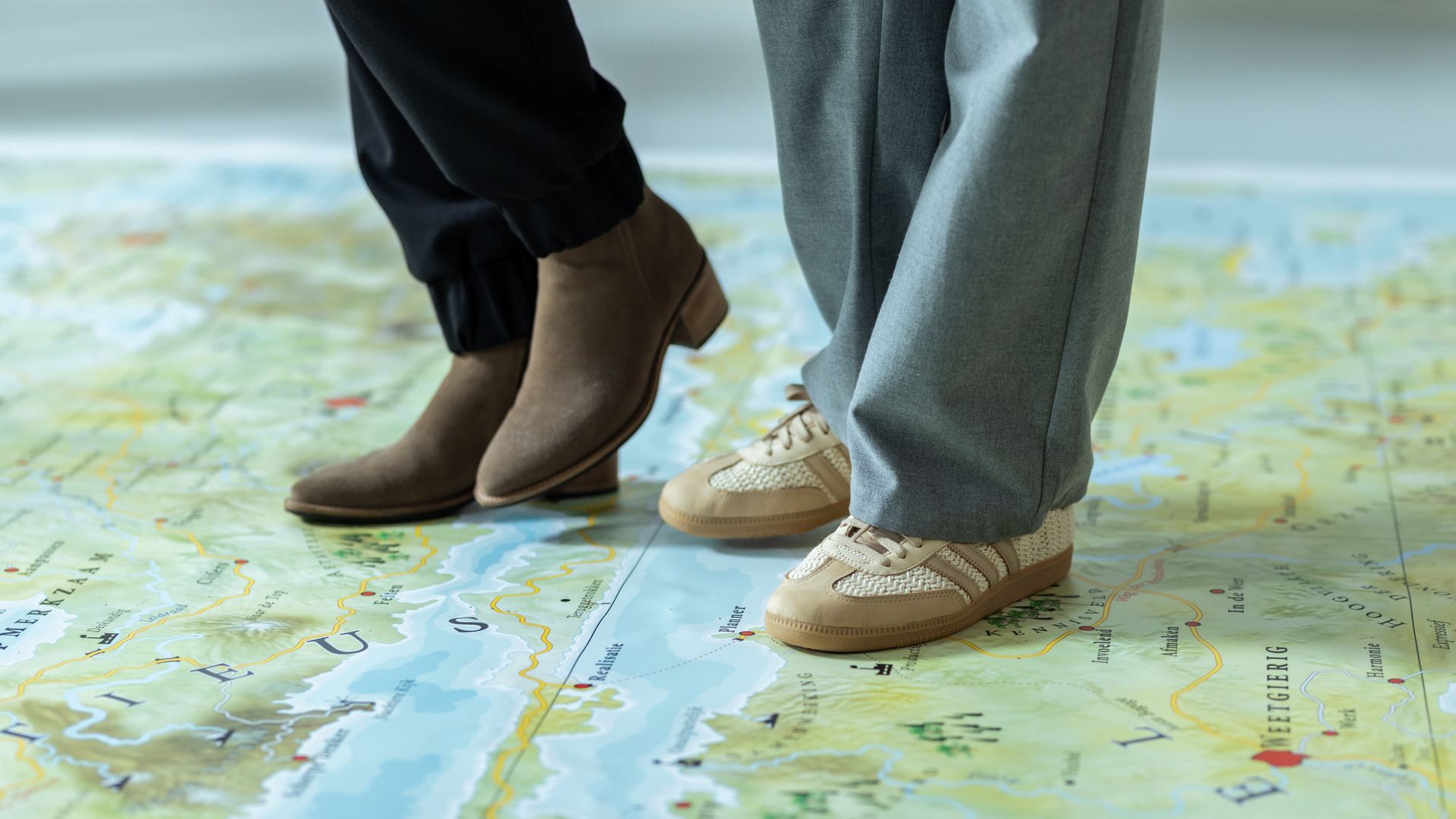
No. Working with the PersonalMap and the Floormap requires a certified Guide. You can either take the certification training yourself or bring in a Guide.
Does this work for people who are not keen on models?
Especially then. There is theory underneath, but the product is experiential and practical, which makes it accessible to everyone: participants look at a map, recognise words and talk about them. Certified Guides use the method on the shop floor and in executive teams alike.

Behind the map are people you can talk to
MapsTell works with Guides in 20 countries, and Heller still speaks with them personally. However you choose to contact us, you can always reach the people at the heart of MapsTell. You can start with a 30-minute Discovery Call. We would much rather hear what you are working on than tell you what we sell. And if we feel that MapsTell is not right for your situation, we will say so.